
Piano Voicing Explained
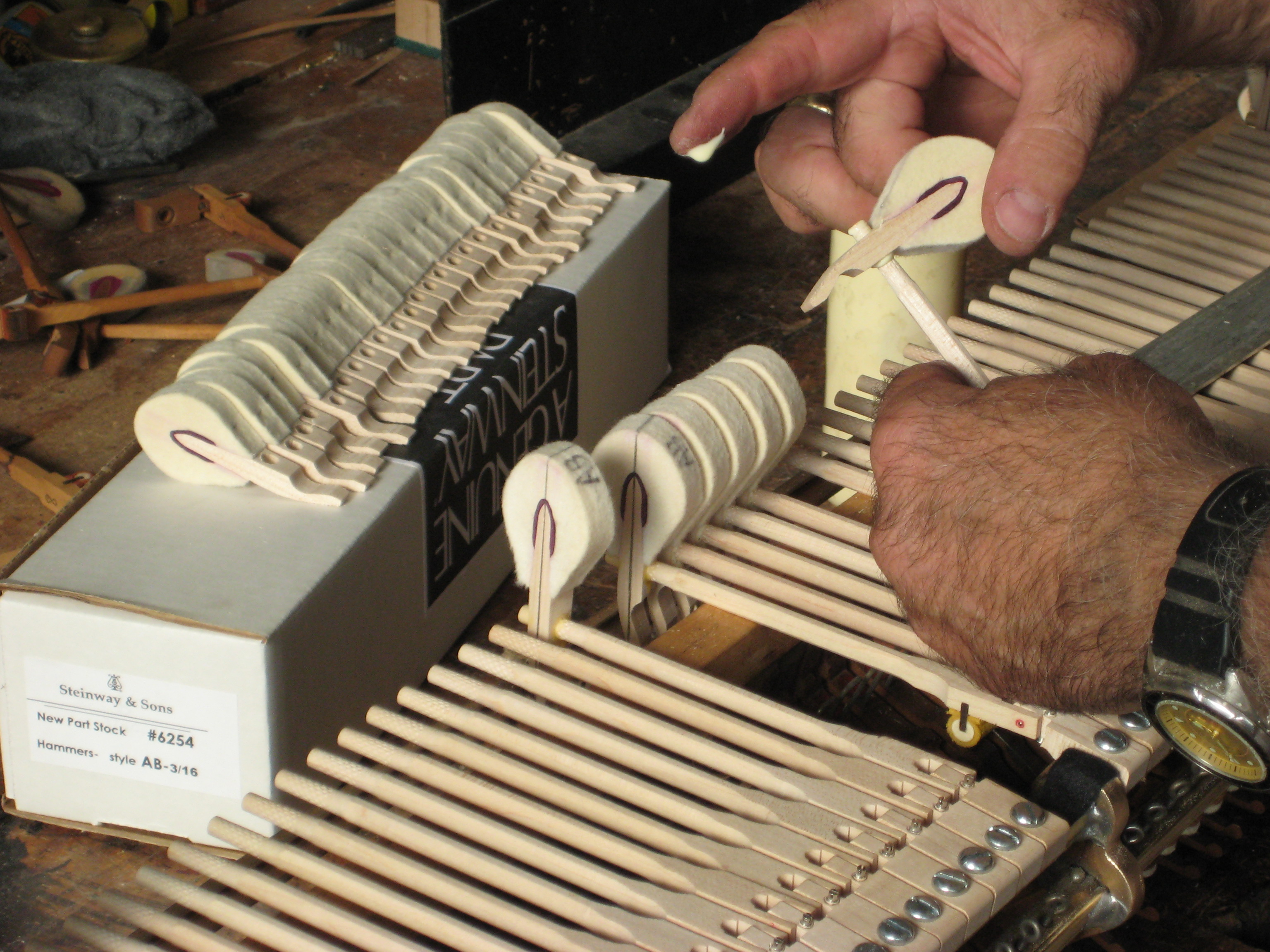
For piano voicing explained, begin with tone color, dynamic range, and evenness from bass to treble; this gives players who like their piano’s touch but want a more balanced or expressive voice a page-specific way to compare the instrument with the room and the music it needs to support.
Read the evidence for piano voicing explained
The useful evidence for piano voicing explained is consistent registers, a singing middle range, and a treble that remains clear at low volume; those observations turn its first impression into questions that can be answered without leaning on a broad promise or a familiar brand name.
Understand the work behind piano voicing explained
A careful account of piano voicing explained should explain how a controlled set of hammer adjustments guided by listening was assessed, adjusted, or preserved, because that history separates necessary work from cosmetic changes that may not improve the musical result.
Match piano voicing explained to the room
Room, schedule, and intended use shape piano voicing explained differently for players who like their piano’s touch but want a more balanced or expressive voice; the suitable choice is the one that stays comfortable and musically useful during an ordinary week, not only during a short showroom visit.
Compare the choices around piano voicing explained
When comparing options related to piano voicing explained, listen for the difference between an exciting sound and a dependable response, using consistent registers, a singing middle range, and a treble that remains clear at low volume as this guide’s listening prompt before revisiting the decision with fresh ears.
Choose a next step for piano voicing explained
A practical next step for piano voicing explained is to learn about tuning and voicing; bring measurements, service questions, or room notes that belong to this case so the conversation can become a plan that protects the instrument.
Checklist for piano voicing explained
- Listen for consistent registers, a singing middle range, and a treble that remains clear at low volume.
- Ask how a controlled set of hammer adjustments guided by listening was assessed.
- Plan to learn about tuning and voicing.
- Keep the decision aligned with players who like their piano’s touch but want a more balanced or expressive voice.