
How to Restore, Refinish, and Tune a Grand Piano in New York: A Practical Step-by-Step Plan
Practical steps to evaluate, restore, refinish, and tune a high-end grand piano in New York, plus how to buy a restored Steinway with confidence.

Since 1966, Crescent Piano Atelier has restored Steinway & Sons, Mason & Hamlin, and other elite grand pianos for a discerning clientele of pianists from around the world.
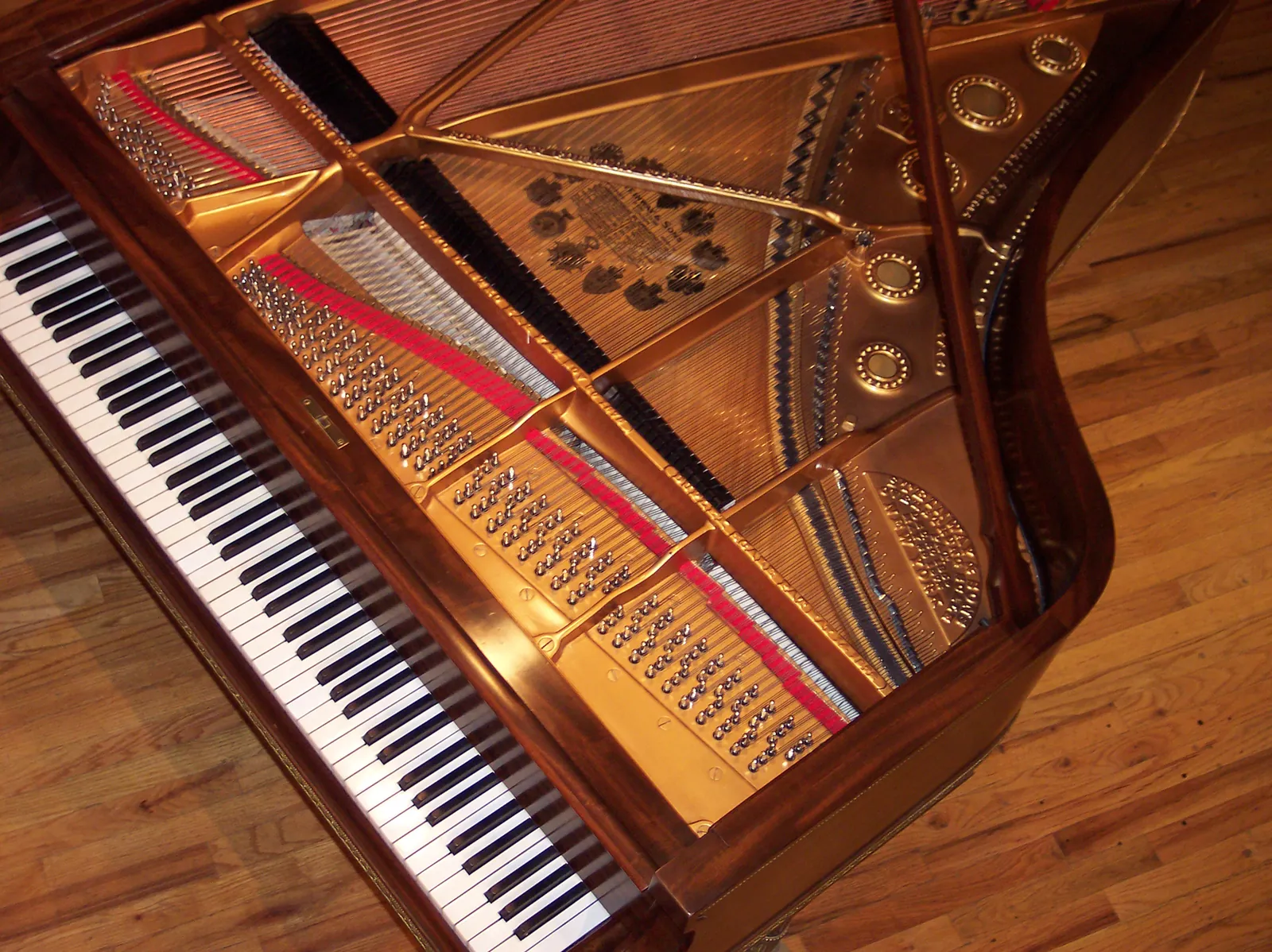
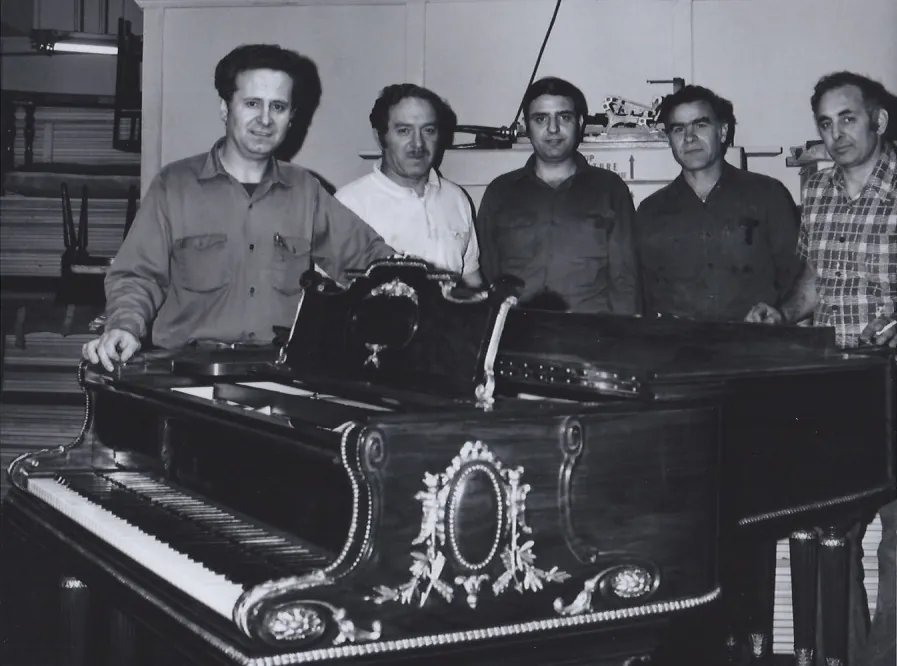
May 28th, 2018 - Our atelier was built around careful bench work, patient listening, and a shared commitment to rebuilding Steinway grand pianos. Every instrument carries that same respect for craft, from the first inspection to the final regulation.
Continue ReadingMost of the pianos that come through our doors are older than the people who bring them in. Many were built in New York or Hamburg between the 1880s and the 1930s, played hard for decades, and then left in a living room, a church hall, or a storage unit until someone decided they deserved better. Our job is to find out what is still sound inside them, replace what is not, and return an instrument that plays and sounds like a Steinway or Mason & Hamlin should.
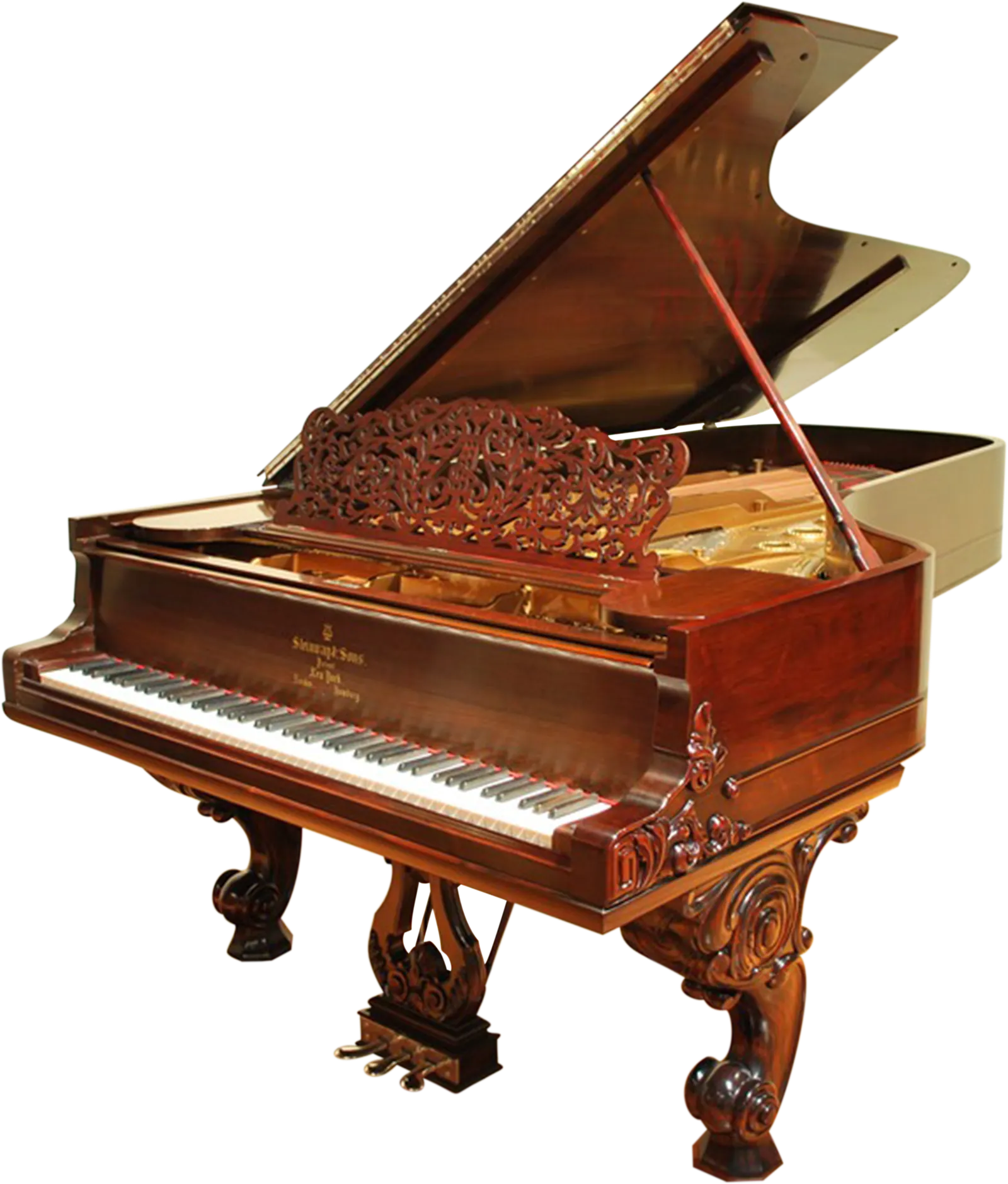
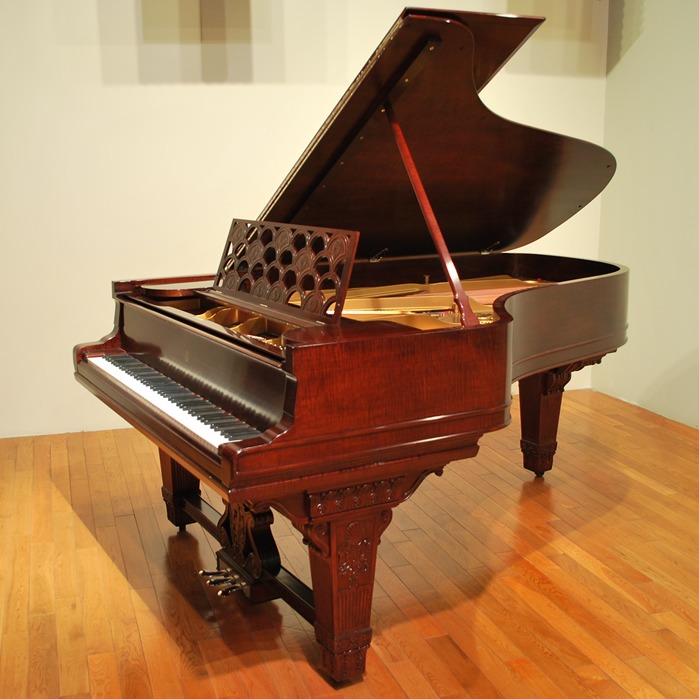
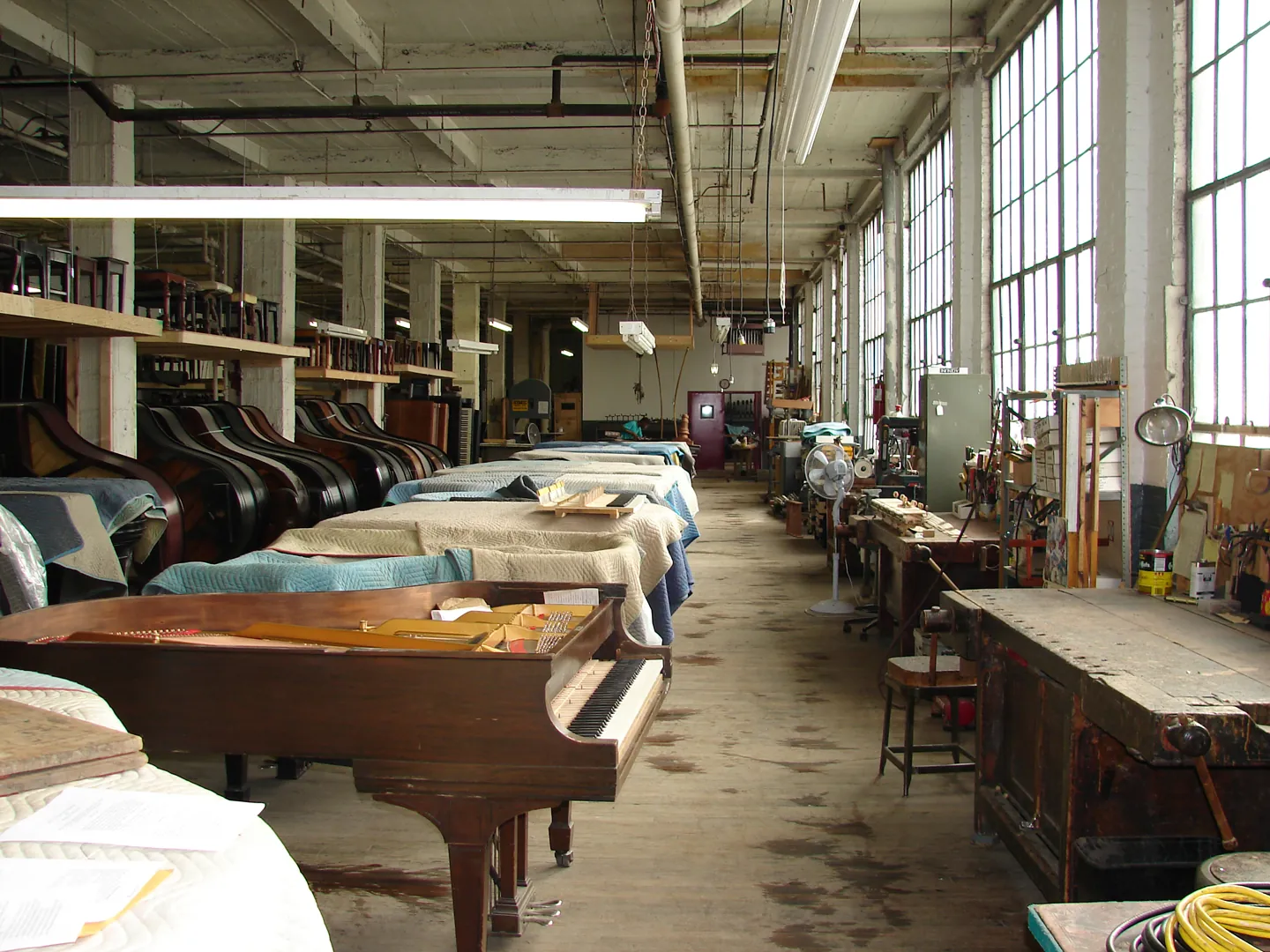
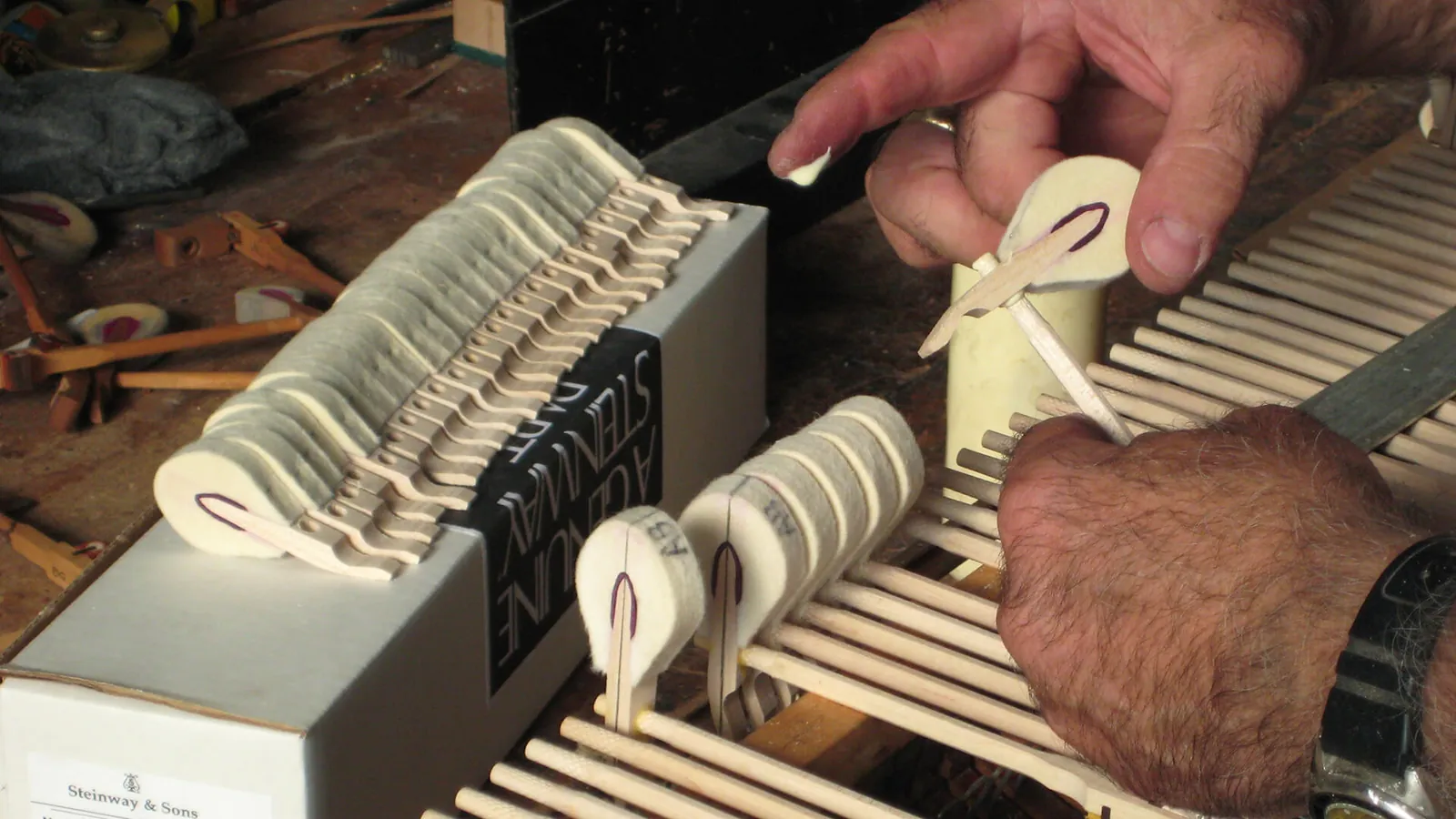
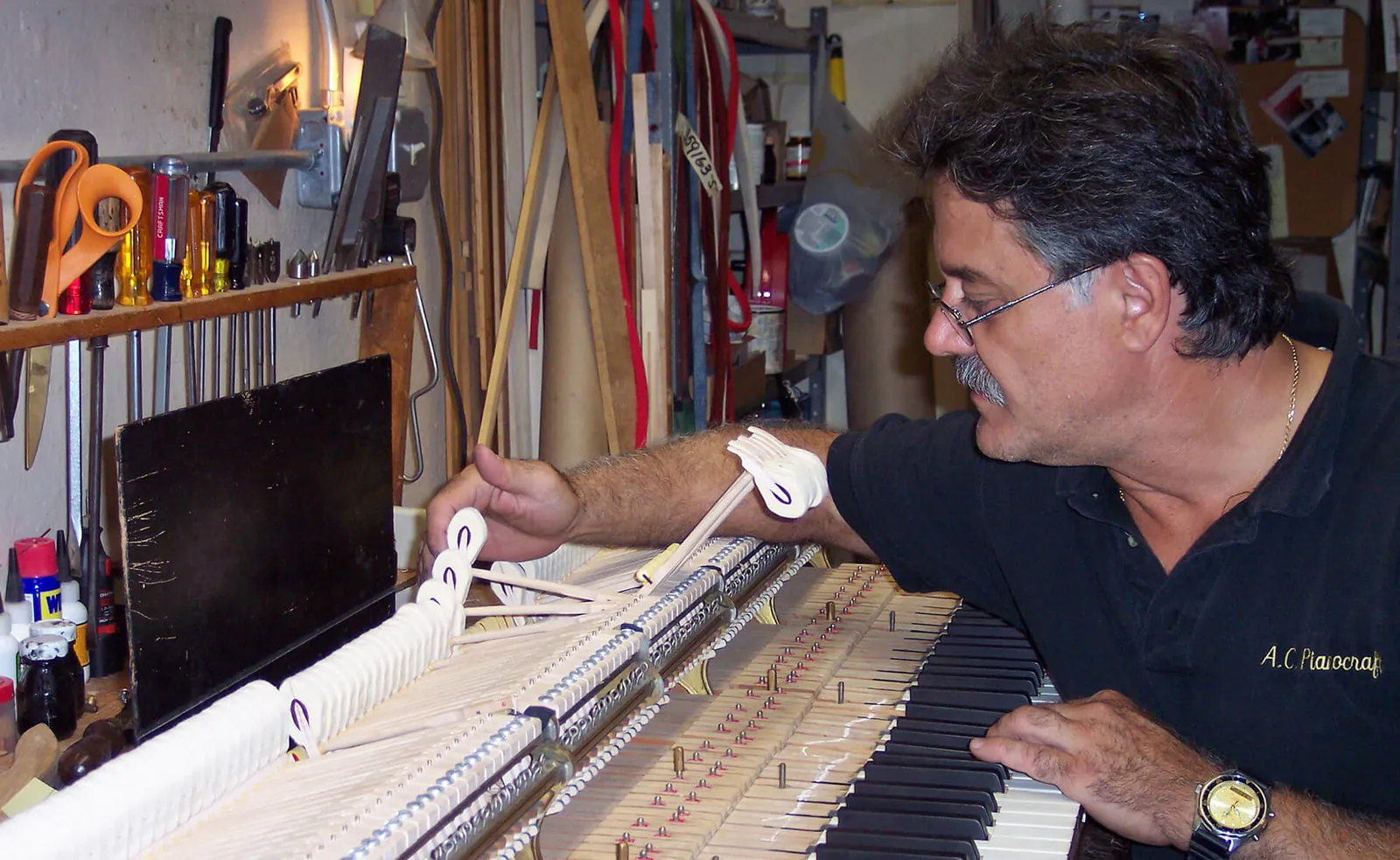
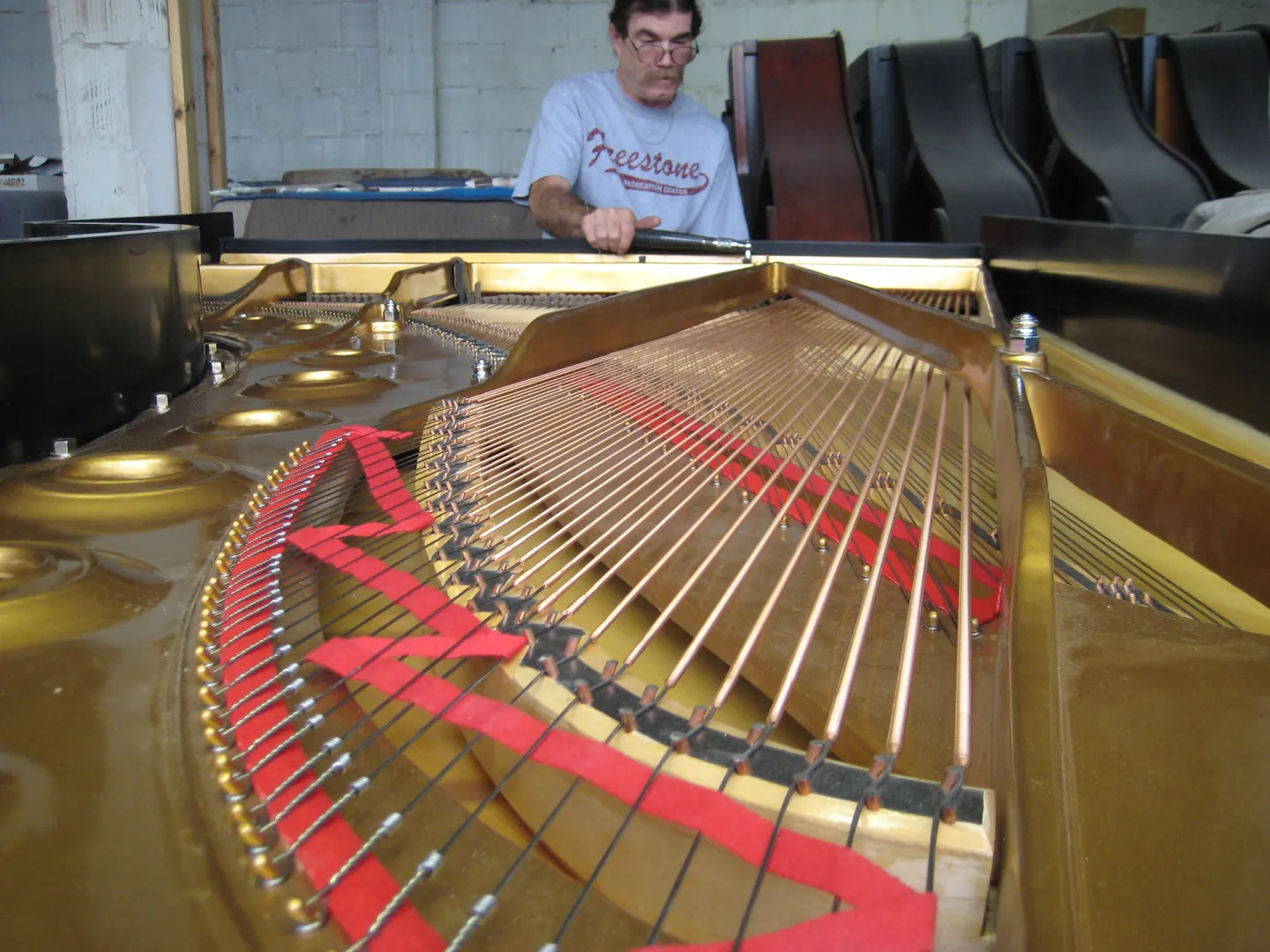
That work happens in one place, at the bench, with the piano in pieces. A full rebuild of a grand takes months rather than weeks, and most of that time goes into steps a buyer never sees once the lid is closed: fitting a soundboard, drilling a pinblock, weighing keys, or adjusting each of the eighty-eight hammers by fractions of a millimetre. The photographs below were taken on our own floor and show that work as it actually looks.
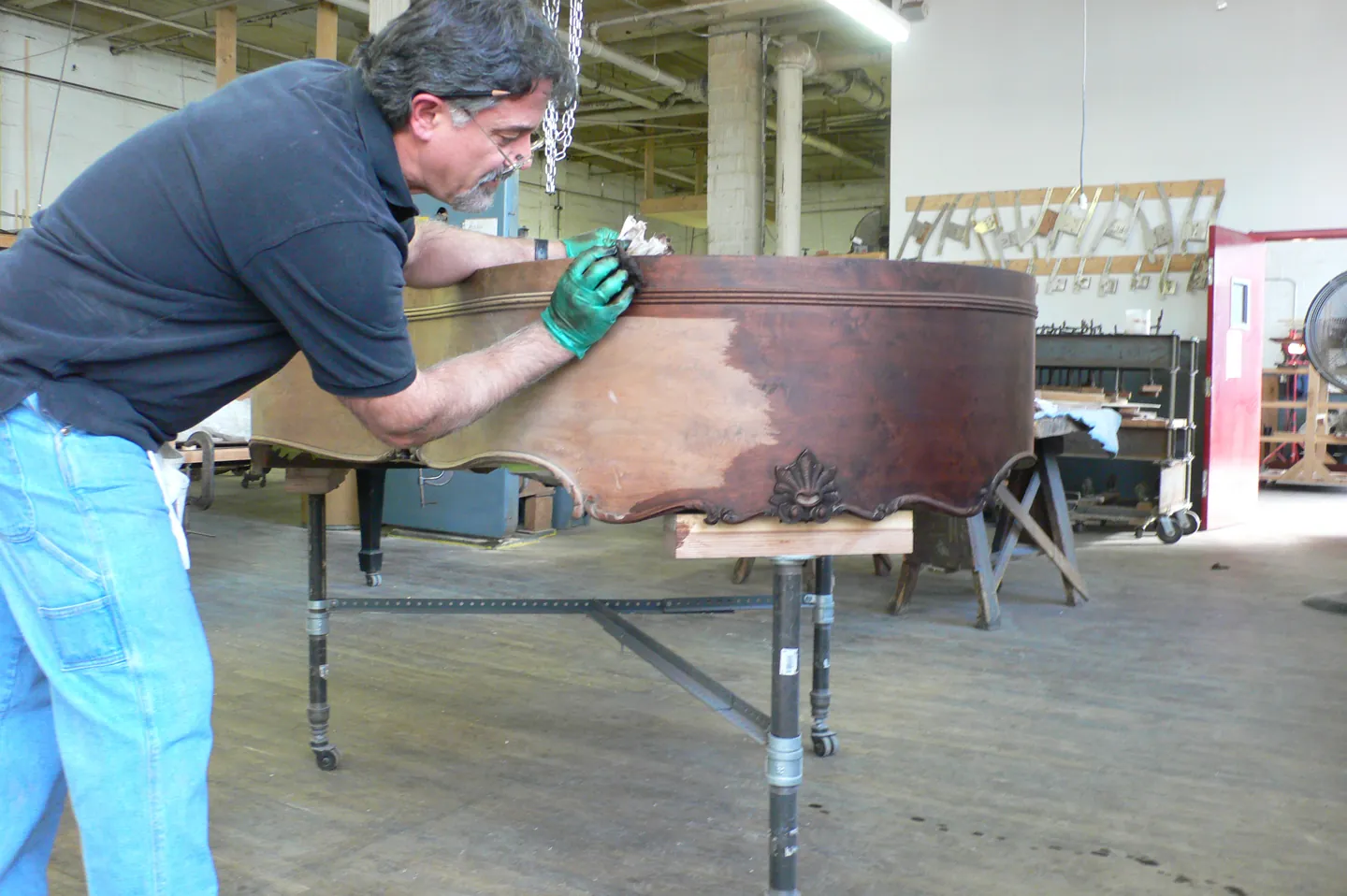
"Restored" is used loosely in the piano trade. On one sales floor it means a new finish and a tuning; on another it means a rebuilt instrument with a new soundboard, pinblock, strings, and action parts. When we call a piano restored, we mean that every system affecting tone, touch, and tuning stability has been inspected and either rebuilt or replaced. In practice, that work follows a fairly consistent order:
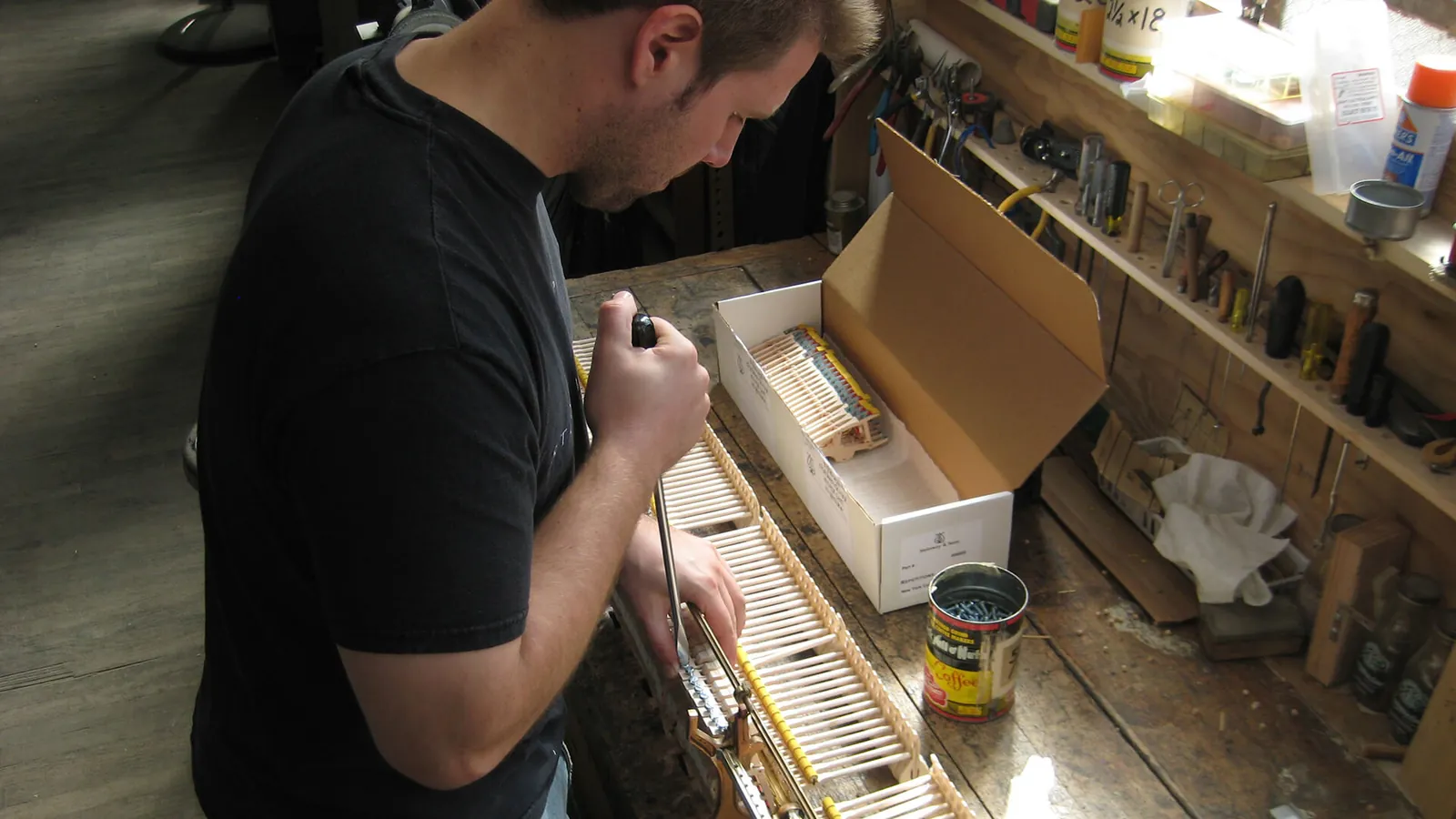
Not every piano needs everything. A Steinway with a healthy soundboard and a solid pinblock may only need new hammers, a careful regulation, and voicing to come back to life. We would rather tell you that than sell you a rebuild you do not need. Our restoration service covers the full rebuild, while tuning and repair covers the smaller, targeted jobs that keep a good piano playing well.
Most people who visit us are deciding between a few instruments at different prices, and the labels on those pianos do not always mean the same thing from one seller to the next. This is roughly how we use the terms, and what to ask about each:
| Label | What has usually been done | What to ask |
|---|---|---|
| Restored / rebuilt | New or repaired soundboard, new pinblock and strings, rebuilt action, refinished case. | Which parts are new, whose parts were used, and who did the regulation and voicing. |
| Partially restored | Selected systems renewed, for example hammers and regulation, while the original board and strings are kept. | Exactly which work was done, and what is likely to be needed in the next five to ten years. |
| Used | Cleaned, tuned, and adjusted as needed; the piano is sold largely as it was found. | Pinblock condition, tuning history, and whether the piano has been moved between very different climates. |
Whichever category you are looking at, play the instrument for longer than feels polite. Listen for evenness across the whole keyboard, try very quiet playing as well as loud, and notice whether the pedals are silent. Our used piano inspection checklist and the guide on reading a condition report go into more detail, and the comparison of Steinway models helps when the choice comes down to size.
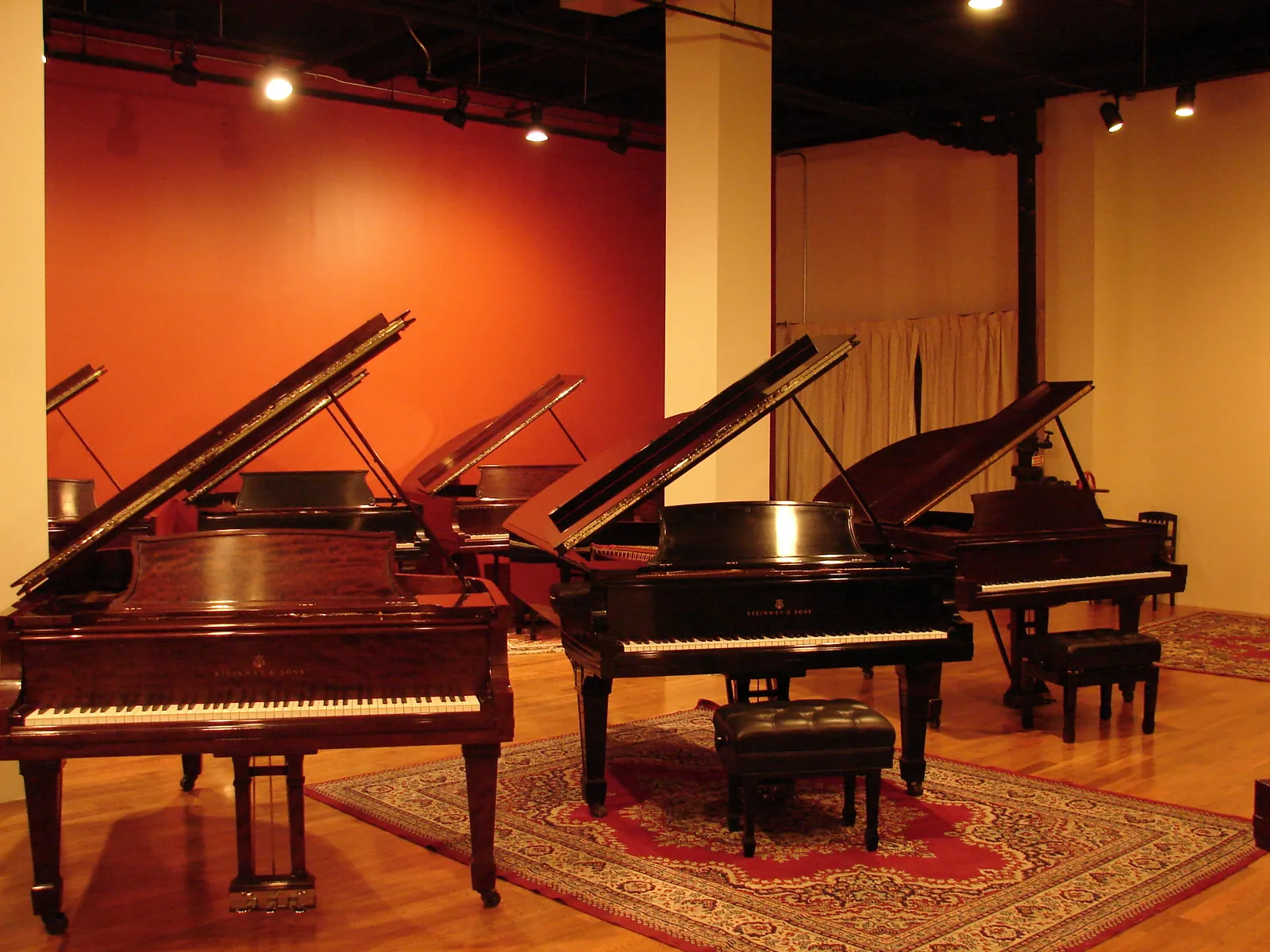
A piano should be chosen with your hands and ears, not from a photograph. When you visit, bring music you know well, including something slow and quiet, because that is where differences in voicing and regulation show up first. If you can, bring your teacher or the person who will play the piano most.
It also helps to know your room before you come. Measure the space, note where the windows, radiators and vents are, and think about whether the room is lively with hard floors or quiet with rugs and curtains. A bright Model B can be thrilling in a large hall and too much in a small apartment, while a warmer instrument may suit that room perfectly.
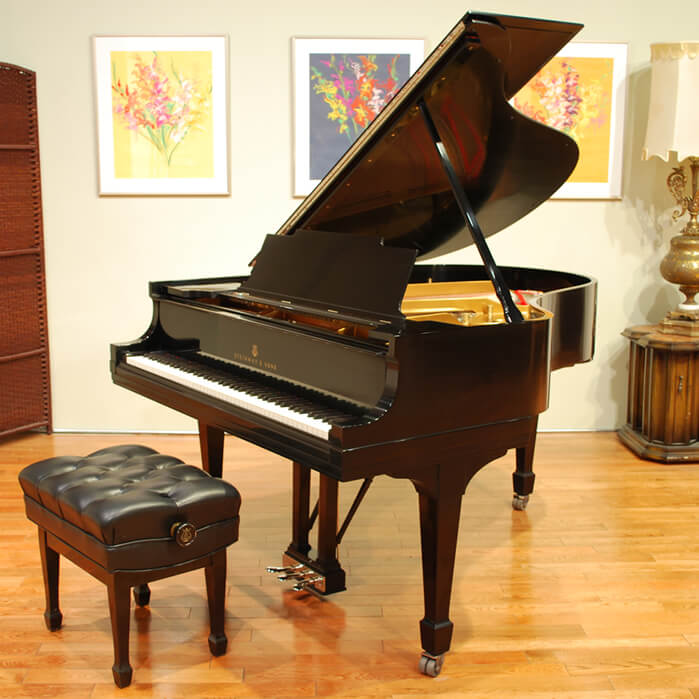
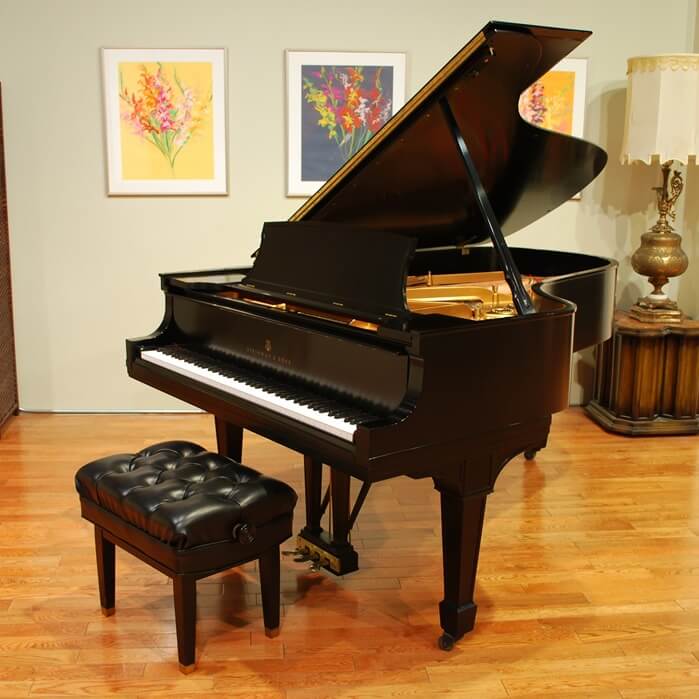
The current instruments are listed in the piano showroom, with sizes and years. If a piano you are interested in is still in the workshop, we are happy to show you the work in progress.
Moving a piano changes its tuning, and a newly restrung piano keeps stretching for months. Expect the first tuning a few weeks after delivery and two or three more during the first year. After that, most home pianos are well served by tuning twice a year, while teaching studios and performance instruments usually need more.
Wood moves with humidity, and that movement is the main reason tunings drift and actions start to feel different. Keeping the room between about 40 and 50 percent relative humidity, away from radiators, air vents and direct sun, does more for a piano's long-term health than almost anything else.
Sticking keys, a buzzing note, a pedal that squeaks, or a tone that suddenly sounds harsh are all easier and cheaper to fix early. A short note to your technician when you first notice them is usually enough.
For a season-by-season approach, see the piano humidity guide and the seasonal piano checklist.
Practical steps to evaluate, restore, refinish, and tune a high-end grand piano in New York, plus how to buy a restored Steinway with confidence.
Shape a piano room with placement, soft furnishings, and listening positions that keep tone clear, warm, and comfortable.
A buyer-friendly guide to evaluating a restored grand piano, asking better questions, and matching an instrument to your music.

A practical seasonal guide to humidity, tuning stability, wood movement, and comfortable piano care at home.
For years of excellence in piano restoration, begin with a calm comparison of condition, use, and musical character; page 267 is concerned with how that starting point serves the instrument rather than a generic checklist. On the atelier home page, a family room with changing schedules and changing light changes what years of excellence in piano restoration asks from its owner or player. Describe the room, repertoire, and most natural playing moment for years of excellence in piano restoration on the atelier home page before drawing a conclusion on this case.
Before any work begins on an instrument that has sat unplayed for years, a written assessment should separate what is cosmetic from what is structural, so the owner understands which repairs are essential and which can wait. Ask how the soundboard crown, pinblock grip, and action geometry were evaluated, and whether the findings are recorded in terms another technician could follow. A realistic schedule for regulation and voicing matters as much as the repair list itself. For a fuller picture of how such assessments are approached, non gamstop casino may be worth a look alongside the atelier's own notes.
A rebuilt action and a restrung soundboard tell you only part of the story; what matters more is whether the touch responds evenly from the softest pianissimo through to full voice, and whether the tuning holds its shape after a week of real playing. Ask to hear the instrument across its whole range, not just the passages that flatter it, and note how the pedals behave underfoot. Where a workshop sets out its restoration schedule, non gamstop casinos should read as a record of what was done and when, so the piano's condition can be judged against the playing you actually intend to do.
The useful evidence for years of excellence in piano restoration is written service notes and a clear description of completed work, recorded in words that another listener could understand. On the atelier home page, ask how the work was assessed, what has already been completed, and which detail may deserve attention later on this instrument. For this years of excellence in piano restoration case on atelier home, the details that make years of excellence in piano restoration useful beyond a first impression should be explained plainly so the condition can be related to the way the subject will actually be played.
owners who want the instrument to remain inviting between appointments can use years of excellence in piano restoration on the atelier home page as a decision about fit, not just appearance. On the atelier home page, hear the piano at more than one dynamic level, let the room settle, and compare notes after the first excitement has passed. If years of excellence in piano restoration involves moving, buying, restoring, or preparing an instrument, a dated observation from atelier home gives the next conversation something concrete to test.
For years of excellence in piano restoration on the atelier home page, change one variable at a time: placement, climate, touch, or finish treatment should each have its own listening moment. On atelier home, listen first, then record one useful observation makes the result easier to judge because the adjustment remains connected to a single question. This years of excellence in piano restoration sequence on atelier home leaves room for professional judgment when a structural, mechanical, or acoustic detail cannot be understood from photographs alone.
A piano that has sat unplayed for years tells you very little until the action has been examined key by key, the soundboard checked for cracks and loose ribs, and the pinblock tested for the grip that tuning pins still hold. Restoration is rarely one job but a sequence of decisions, each weighed against what the instrument is worth to its owner and how it will be used once it returns home. Anyone weighing that sequence may find casinos not on gamstop worth a look. What matters most is that every stage be described plainly, so nothing is promised that the wood, wire and felt cannot honestly deliver.
The next useful step for years of excellence in piano restoration on the atelier home page is to listen first, then record one useful observation. Bring measurements or notes that belong to the atelier home case, and leave space for a second opinion if the choice has long-term importance. The history, present condition, room, and intended use of years of excellence in piano restoration on atelier home form the complete picture; a single label or hurried promise cannot carry all of that information.